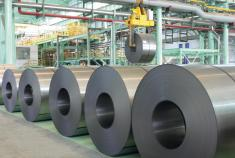
The global push for energy efficiency is catalyzing significant advancements in core electrical steel materials, particularly Non-oriented Electrical Cold Rolled Steel. This specialized steel is a critical component in the manufacturing of high-efficiency motors and generators, which are fundamental to the electric vehicle (EV) revolution and renewable energy systems.
Unlike conventional steel, Non-oriented Electrical Cold Rolled Steel is engineered to possess specific magnetic properties. Its production involves a cold-rolling process followed by annealing, which refines the grain structure to minimize power loss (core loss) and enhance magnetic permeability. This allows electrical devices to operate with higher efficiency, reducing energy consumption and heat generation. The “non-oriented” characteristic means its magnetic properties are nearly uniform in all directions parallel to the sheet’s surface, making it ideal for the rotating magnetic fields found in motors.
Leading steel manufacturers are currently investing heavily in research to develop new grades of Non-oriented Electrical Steel. The focus is on achieving even lower core loss and higher magnetic flux density. These improvements are paramount for next-generation EV traction motors, which require compact size, high power output, and exceptional efficiency to extend driving range. Furthermore, these advanced steels are crucial for components in transformers, industrial drives, and home appliances.
Industry analysts project a robust growth in demand for high-performance Non-oriented Electrical Cold Rolled Steel over the next decade. This trend is directly linked to the worldwide expansion of the EV market and stricter government regulations on energy efficiency. The continuous innovation in this foundational material is not just a manufacturing achievement; it is a key enabler for a more sustainable and electrified future, powering the technology that is reshaping our world.