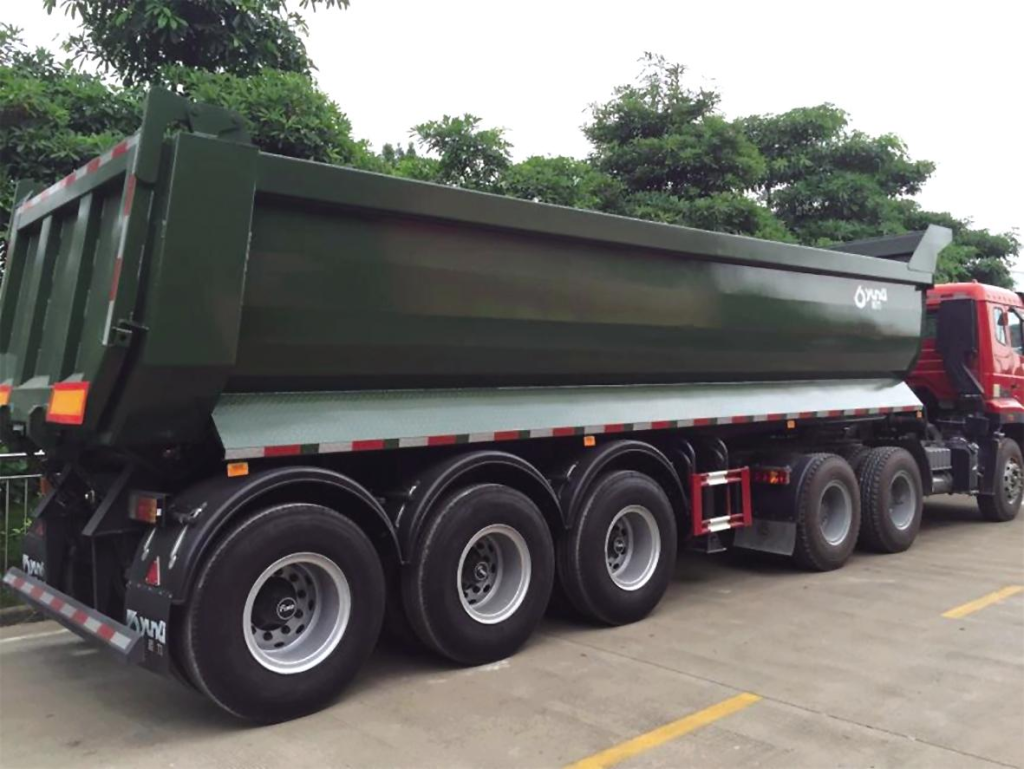
In industrial settings, material durability is key. It impacts efficiency, safety, and cost. Wear-resistant steel excels here. This special steel withstands extreme abrasion and impact. Mining, construction, and agriculture rely on it.
Ordinary steel is common but less durable. Under friction or heavy loads, it degrades faster. This causes more downtime and higher costs. Wear-resistant steel adds alloys like chromium. This boosts hardness while keeping strength.
The major advantages of wear-resistant steel is longer life. Equipment like crushers and buckets last longer. This cuts maintenance and replacement needs. For industries, this means better productivity and savings.
Safety also improves. The steel keeps its surface under stress. This lowers the risk of sudden breaks. In heavy machinery, such reliability prevents accidents.
It is also workable. It can be cut and welded normally. This allows easy design changes. No big investments in new tools are needed.
Cost-wise, it saves money over time. The initial price is higher. But less downtime and fewer replacements bring savings. Companies often see a fast return.
It helps the environment too. Longer lifespans mean less waste. This supports sustainable industry goals.
In short, choosing wear-resistant steel is smart. The clear advantages of wear-resistant steel are many. It offers durability, safety, and cost savings. As industry evolves, such materials will remain vital.