Ever wondered why a bulldozer blade lasts years against rock, while a bridge uses less steel yet stays strong? The answer lies in two advanced materials. People often confuse them, but they solve different problems. Wear-resistant steel vs high-strength steel represents a key choice in engineering.
Their core difference is simple. Wear-resistant steel fights surface damage. It is built to handle abrasion from soil, rock, or ore. High hardness is its main feature, achieved through special chemistry and heat treatment. Think of excavator buckets, mining liners, or crusher jaws. It lasts longer under friction, focusing on surface defense.
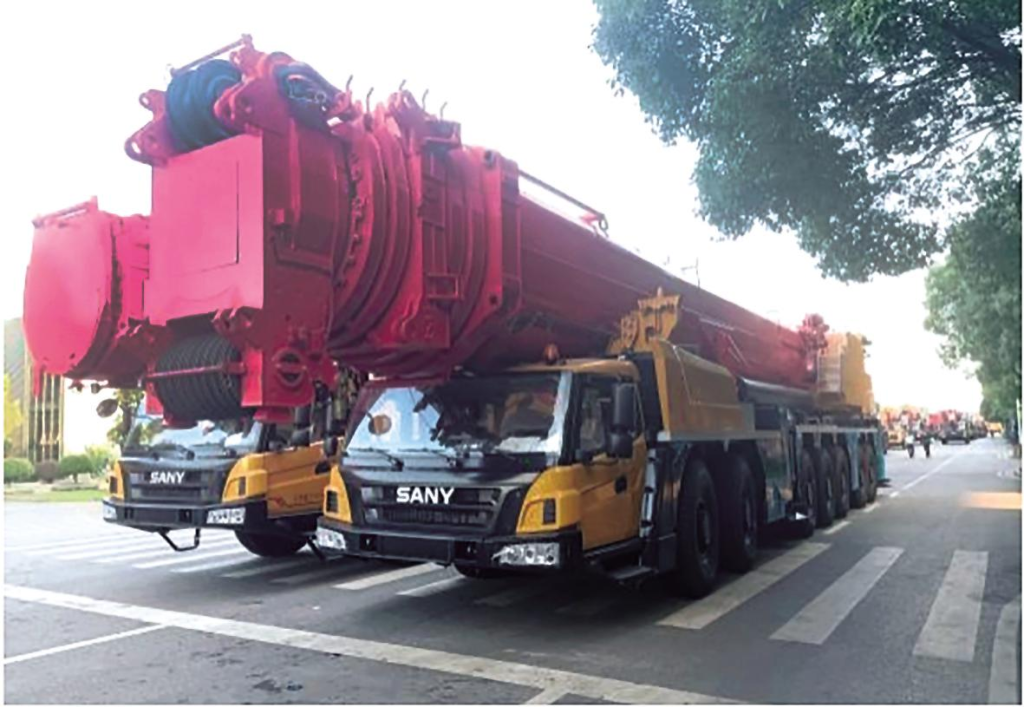
High-strength steel, however, carries loads efficiently. It offers outstanding strength while being light. This comes from micro-alloying and advanced processing. You see it in vehicle safety frames, crane booms, and building structures. It allows lighter designs, saving weight and improving performance.
So, how to choose? Ask one question: what is the main threat? Is it slow surface wear or sudden structural failure? For grinding and scraping, pick wear-resistant steel. For heavy loads and impacts, choose high-strength steel. Using the wrong type risks early failure and extra costs.
The debate of wear-resistant steel vs high-strength steel pushes innovation. Newer steels now blend both traits. Yet the basic idea holds: one is a hard shield, the other a strong skeleton. Picking the right steel ensures safety, durability, and value. It turns industrial challenges into long-term solutions.