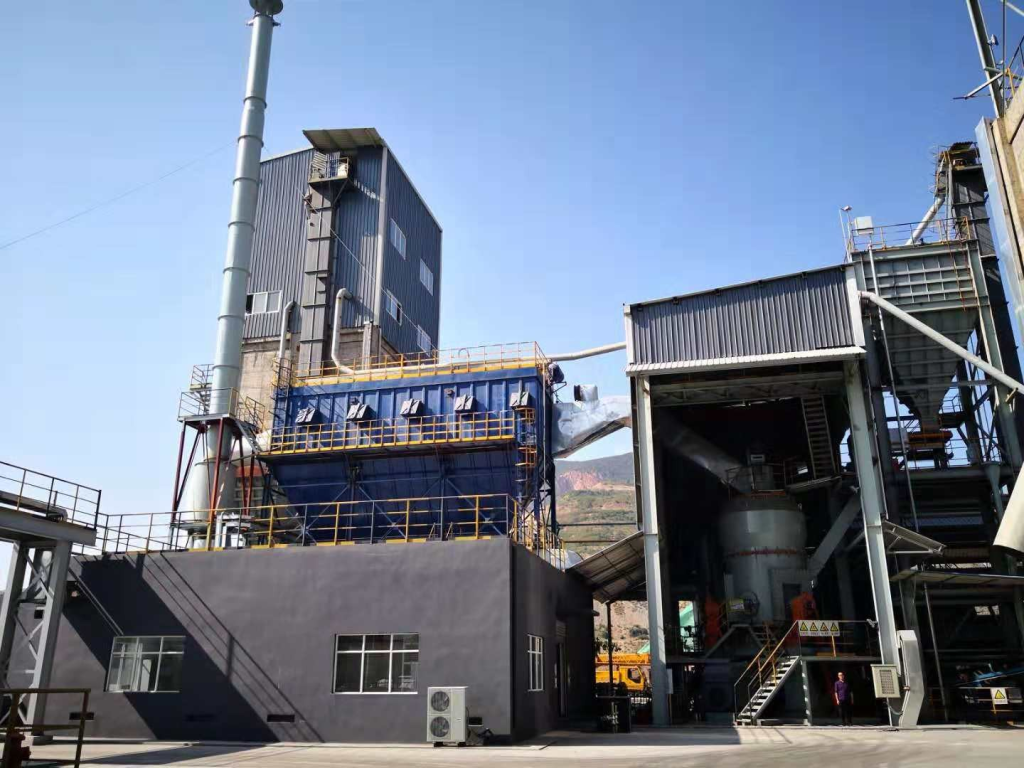
In the demanding world of cement production, where colossal machines grind, crush, and convey abrasive raw materials around the clock, durability is not just an advantage—it is an absolute necessity. Equipment faces relentless assault, leading to frequent downtime, high maintenance costs, and operational inefficiencies. A powerful solution, however, is strengthening the industry’s backbone: the strategic application of advanced wear-resistant steel.
This specialized material is engineered to withstand extreme abrasion and impact. Unlike ordinary steel, it possesses superior hardness and toughness through specific alloying compositions and heat treatments. In cement plants, its application is transformative. Key components such as fan blades in high-dust environments, clinker crusher hammers, raw mill liners, and conveyor system chutes are now increasingly fabricated from this robust steel. The result is a dramatic extension of component service life, sometimes by a factor of three or more, directly slashing the frequency of replacements and maintenance shutdowns.
The benefits cascade through the entire operation. Reduced downtime translates to higher production consistency and capacity. Lower consumption of spare parts cuts both costs and the environmental footprint associated with manufacturing and transporting replacements. Perhaps most importantly, it enhances worker safety by minimizing the need for hazardous, high-frequency maintenance interventions in and around heavy machinery.
Industry leaders are taking note, integrating wear-resistant steel into both new equipment designs and targeted retrofit programs for existing infrastructure. As sustainability and operational excellence become ever more critical, the role of this resilient material is set to grow. By literally armoring their most critical processes, modern cement plants are not only building stronger machinery but also paving the way for a more reliable, efficient, and sustainable future for global construction.