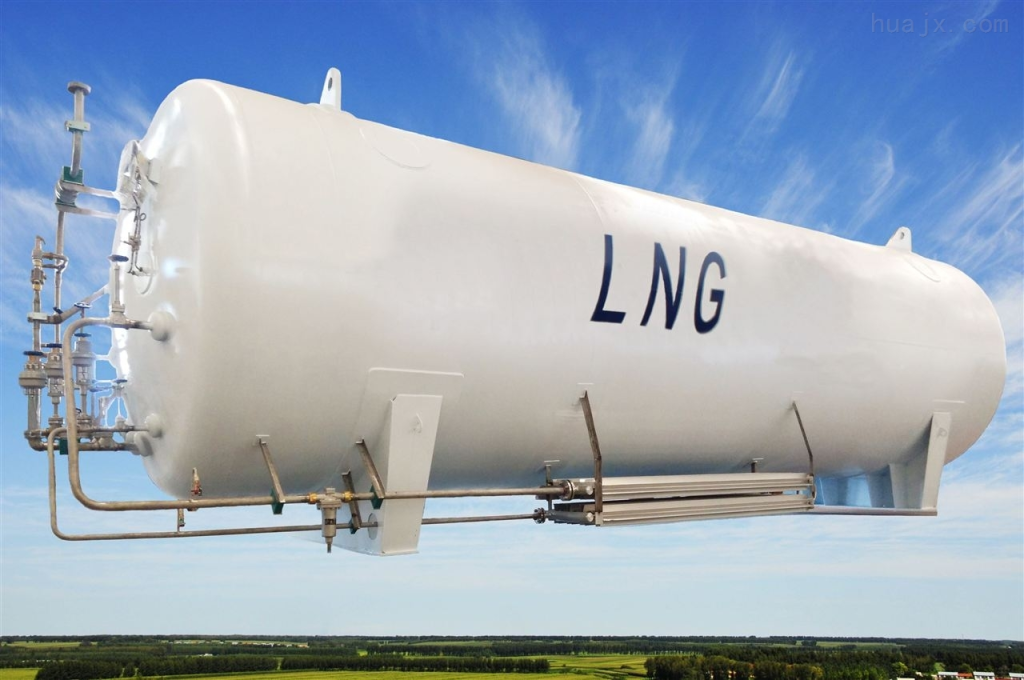
Imagine storing natural gas or clean hydrogen not as a bulky gas, but in its shrunken, liquid form at temperatures colder than the dark side of the moon. This is the reality of cryogenic storage, a technology vital for the global energy shift. But what keeps these volatile liquids safely contained? The answer lies in a remarkable material evolution, with advanced Pressure Vessel Steel playing the starring role.
These aren’t your ordinary storage tanks. Holding substances like LNG at a frigid -162°C (-260°F) demands a material that refuses to become brittle. Standard steel would be dangerously fragile. The latest generation of pressure vessel steel, however, is a marvel of engineering. Through precise chemistry—often involving nickel—and specialized processing, it retains incredible toughness and strength even in the deep freeze. This “cryogenic toughness” is the unsung hero preventing catastrophic failure, ensuring our large-scale energy stores are both safe and reliable.
This material breakthrough is directly enabling a cleaner energy future. Because this specialized steel is so strong yet workable, engineers can design larger, more efficient tanks. Thinner walls mean more storage capacity in the same footprint, which is crucial for scaling up LNG import terminals and the budding liquid hydrogen economy. It’s a win for efficiency and economics, driving down costs for the transition away from fossil fuels.
From powering homes with LNG to fueling tomorrow’s hydrogen-powered planes, the gases stored in these tanks are key. And at the heart of it all is a smarter, tougher steel. The ongoing innovation in pressure vessel steel isn’t just a technical detail—it’s a foundational step towards building the resilient and sustainable energy infrastructure our planet needs. The future of energy storage, it turns out, is being forged in the finest steel.