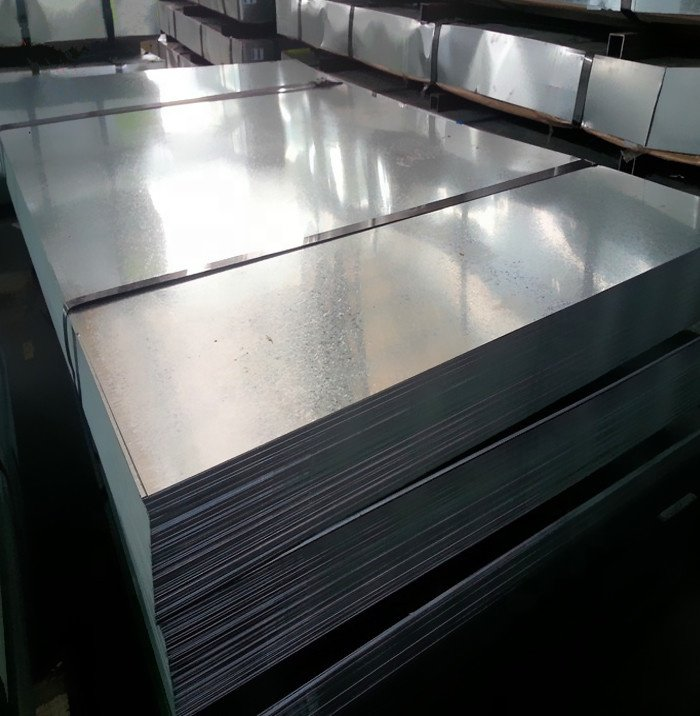
The race to build the next generation of new energy vehicles (NEVs) is not just about batteries and software. Beneath the sleek exteriors, a material science revolution is underway, focusing on making vehicles safer, more durable, and more efficient. One standout candidate stepping into the spotlight is duplex steel, a high-performance alloy proving to be an invaluable yet often unseen component in critical areas of EV and hydrogen fuel cell vehicle design.
Modern NEVs present unique engineering challenges. Their heavy battery packs require ultra-strong structural components for crash safety, while hydrogen storage systems demand materials resistant to high-pressure and corrosive environments. This is precisely where duplex steel shines. Characterized by its two-phase microstructure—a mix of austenitic and ferritic steel—it offers a superior combination of high strength and excellent corrosion resistance, often at a lighter weight than traditional alternatives. This allows manufacturers to design essential safety structures, such as battery pack enclosures and reinforcement brackets, that protect both the vehicle’s expensive energy core and its passengers without adding excessive mass that would reduce driving range.
Furthermore, the application of this advanced steel extends to the supporting infrastructure of new mobility. Key components in hydrogen fuel cell stacks, high-pressure hydrogen storage tanks, and even robust charging port connectors benefit from its properties. Its resistance to stress corrosion cracking in challenging environments makes it a durable and reliable choice, ensuring long-term performance and safety.
“Moving forward, material innovation is as crucial as energy density in our batteries,” notes Dr. Lena Schmidt, a materials engineer specializing in automotive applications. “Advanced alloys that offer a optimal balance of strength, weight, and resilience allow us to push the boundaries of NEV design, safety, and efficiency. Their role, though not always visible to the consumer, is fundamental.”
As the new energy vehicle industry accelerates towards mass adoption and more demanding performance standards, the search for reliable, high-performance materials intensifies. The unique properties of duplex steel position it as a quiet but powerful enabler of this transition, helping to build the safer, cleaner, and more robust vehicles of tomorrow. Its journey from specialized industrial use to the heart of green transportation underscores the multifaceted innovation driving the automotive revolution.