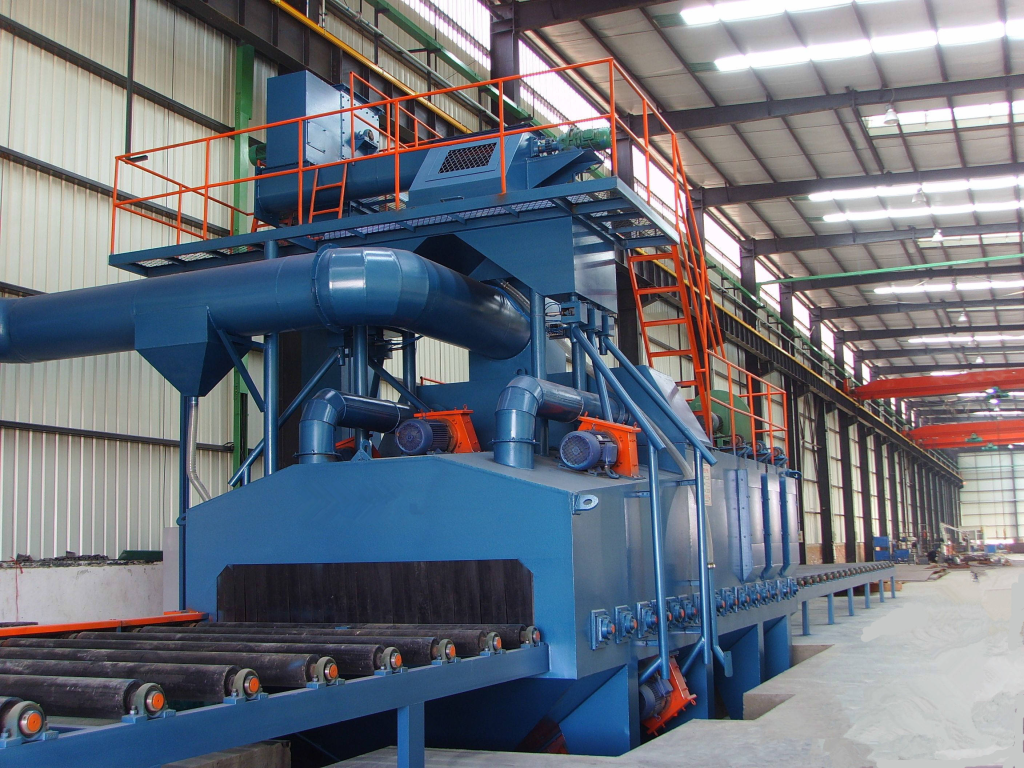
Imagine a material that gets stronger every time it’s hit. That’s exactly what’s happening inside the latest generation of industrial surface treatment equipment, thanks to an engineering marvel called Mn13 steel.
In industries from automotive to construction, shot blasting machines are the workhorses that clean, strengthen, and prepare metal surfaces. But there’s a catch: the same abrasive blast that cleans metal also eats away at the machine’s own interior. Frequent part replacements mean costly downtime and maintenance headaches—until now.
Enter Mn13. This isn’t your ordinary steel. It belongs to a special class known as “high-manganese austenitic steel,” and it has a superpower: work hardening. Instead of wearing down when bombarded by abrasive particles, its surface grows harder and more resilient with every impact. Think of it as a shield that builds its own defense in battle.
For equipment operators, this translates to game-changing benefits. Critical wear components like liner plates, blades, and protective housings last several times longer. Maintenance intervals stretch out, unexpected breakdowns drop, and the total cost of owning and running a shot blasting machine falls significantly.
“It’s like giving the machine a regenerative armor,” explains Dr. Lena Zhao, a materials engineer specializing in industrial applications. “The more you use it, the tougher the active surfaces become. This is especially valuable in high-abrasion environments such as foundries or shipyards.”
Beyond durability, Mn13 supports sustainability. Longer-lasting parts mean less waste, fewer manufacturing replacements, and more uptime—a win for both productivity and the planet.
As manufacturers increasingly adopt Mn13-lined components, the future of heavy industrial machinery looks not only tougher, but smarter. By embracing materials that adapt and endure, the industry is building equipment that can truly keep pace with the demands of modern production.
In the relentless world of industrial abrasion, Mn13 isn’t just an upgrade—it’s a revolution in resilience.