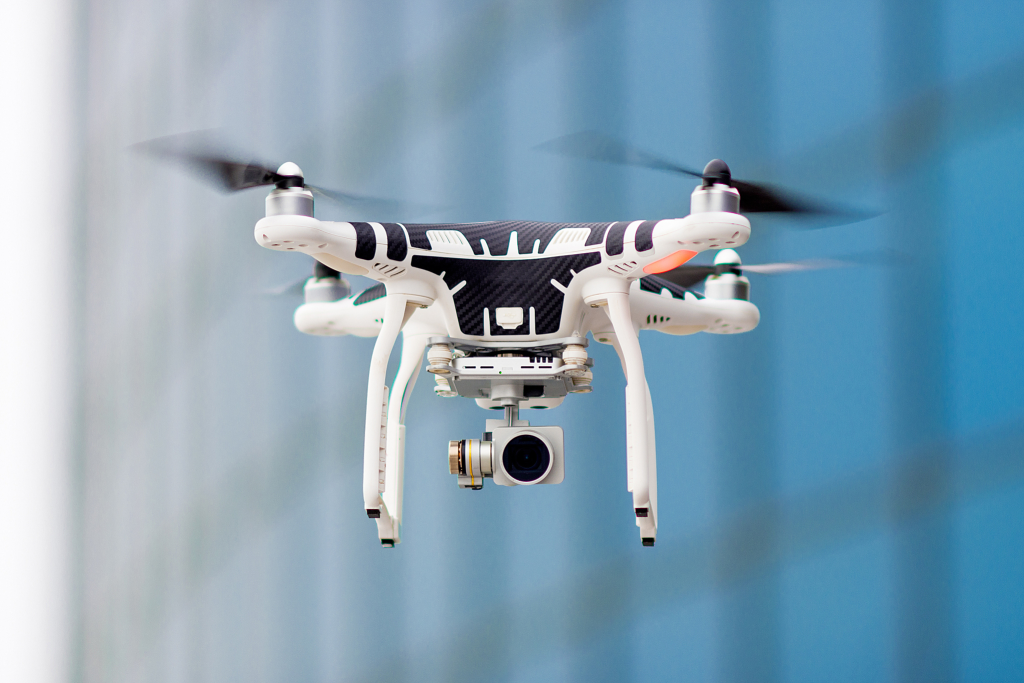
If you’ve ever watched a drone buzz overhead, you’ve probably wondered: how can it fly so long? The answer isn’t just in the battery. A key piece of the puzzle is hidden inside its whirring motor—a special, energy-saving material called Non-oriented Silicon Steel.
Drones live and die by efficiency. Every gram and every watt of power counts. The electric motor’s job is to turn battery juice into lift, but standard materials waste some of that precious energy as heat. This is where non-oriented silicon steel changes the game. Think of it as a superhighway for magnetic energy. Its unique silicon-enriched, fine-grained structure allows the motor’s magnetic field to flip back and forth with minimal resistance. Less energy lost as heat means more power goes straight to the propellers.
The impact is profound. For a delivery drone, this material could mean an extra few kilometers of range to reach a remote village. For a farmer’s field-monitoring drone, it could translate into another 15 minutes of crucial flight time to scan the entire crop. Because the motor runs cooler and smoother, it’s also more reliable—a vital factor for expensive industrial drones inspecting wind turbines or power lines.
As drones evolve to carry heavier cargo and even people, the demand for ultra-efficient motors will only grow. Advanced non-oriented silicon steel is no longer just an industrial specialty; it’s becoming the unsung hero of the skies, enabling drones to fly longer, carry more, and perform the incredible tasks that are reshaping our world. The next time you see a drone in flight, remember: its endurance might just depend on the smart steel spinning silently at its heart.