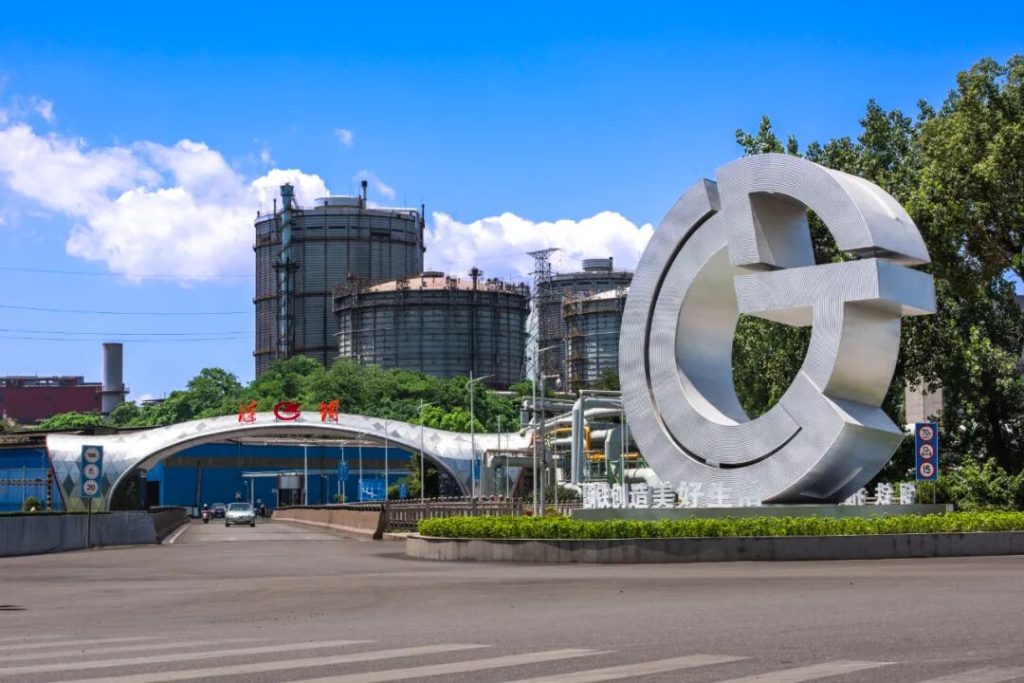
During China’s 36th Energy Conservation Week, one steel company stands out. Lianyuan Steel (LISCO) has spent billions to clean up its act—and it’s working.
Big money, big results. Over the past three years, LISCO invested RMB 5 billion in 121 environmental projects. By the end of 2025, it passed the nation’s toughest emission tests and earned a top “Grade A” rating. That is rare for a steel plant.
Less carbon, more efficiency. Since 2021, the company has cut CO₂ emissions by 1.5 million tonnes. Its main furnaces now run at industry-best efficiency—and have won national awards four years running. In June 2026, it was officially named a “Dual-Carbon Best Practice” benchmark.
How? First, they changed the production process. They use more ore with less fuel, recover waste gas, and keep materials hot during transport to avoid reheating. Second, they capture waste heat and turn it into electricity. That now gives them 708 million extra kilowatt-hours per year—enough to save 87,000 tonnes of coal and avoid nearly 400,000 tonnes of CO₂. Third, they replaced old machines with new, smarter ones, saving another 34,000 tonnes of coal each year.
Smart tools help, too. A central computer system tracks energy use in real time. They also use hydrogen gas for some processes instead of dirty fuels, cutting another 12,000 tonnes of CO₂. Inside the plant, they run battery-powered trains and over 100 electric trucks. A new rooftop solar project will add even more clean power.
But the real change is in people’s minds. Every worker now has energy targets in their performance review. Weekly team challenges keep everyone focused on cutting waste. This year’s theme—“Energy saving drives green steel”—has inspired everyone from managers to crane operators.
For Lianyuan Steel, energy saving is not just a weekly slogan. It is a daily habit. The message is clear: heavy industry can go green without slowing down. And every small step, every day, adds up to a cooler planet.