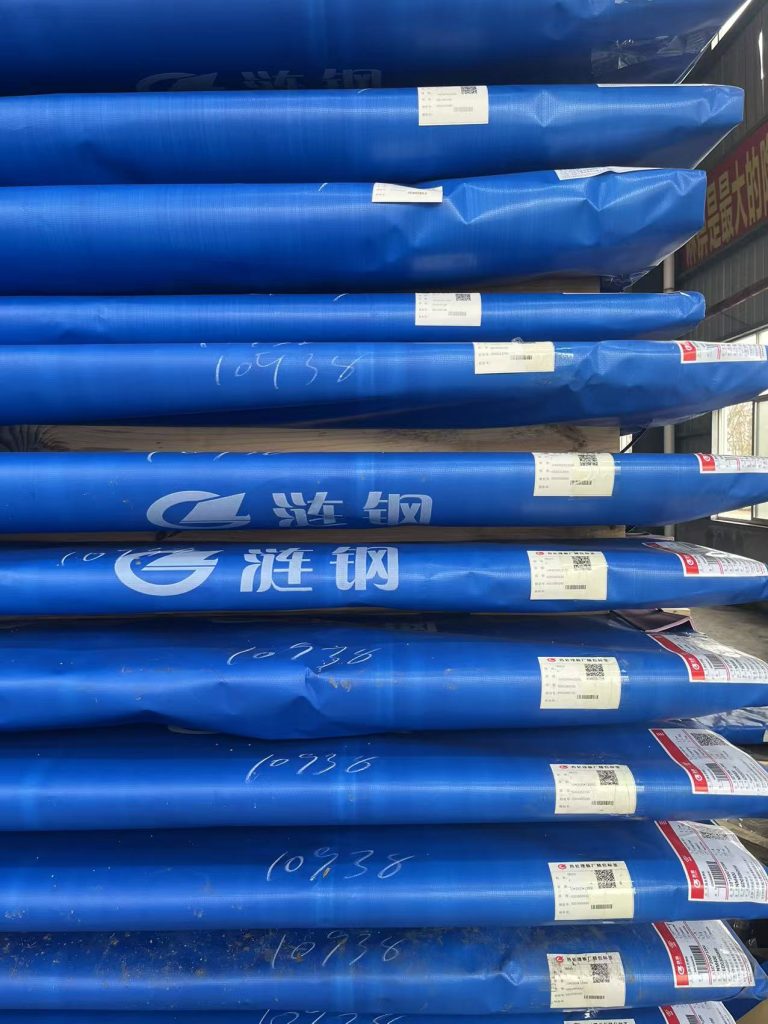
The first half of 2026 has been a rollercoaster for steel traders. Prices swung wildly—US hot-rolled coil moved up and down by $180 per ton. European prices peaked three times due to mill repairs and river logjams. Chinese exports stayed cheap, forcing Indian and Turkish traders to renegotiate deals monthly. Freight costs dropped 22% from last year, but high interest rates made storage expensive. Many traders cut their holding time from 45 to 28 days to save money.
Two bright spots: rebar for Saudi mega-projects and coated steel for Mexican car factories both grew over 9%. But the real game-changer is green steel. European buyers now pay a €20–€30 premium for low-carbon material, and traders with electric-arc-furnace supplies are selling faster than those with old-style blast-furnace steel.
This mid-year summary shows that agility beats size. So what are the future plans?
Three moves for the next six months:
- Buy from new places – traders are opening offices in Brazil and Vietnam to cut reliance on China, aiming to raise non-Chinese sourcing from 35% to 50% by year-end.
- Use digital tools – real-time inventory platforms replace clumsy spreadsheets, cutting emergency buys by 12% and lifting profits.
- Smarter contracts – deals with price clauses linked to scrap and energy costs give both sides more certainty. Some traders also offer just-in-time delivery and pre-cutting to lock in customers.
Risks remain: new US tariffs, Chinese stimulus changes, and the EU’s carbon tax coming in 2027. To prepare, top firms keep buffer stocks in Singapore and Dubai.
Our mid-year summary would not be complete without this warning: the second half will be just as tough. But with these clear plans, steel traders can still thrive. As one London veteran says, “We don’t predict the storm; we steer through it.” That’s the real playbook for 2026.